Source Interlocked Rubber Gym Mats for Schools, Homes, and Clubs
Compare 30 listings for interlocked rubber gym mats suitable for schools, homes, and commercial clubs. Buyers can evaluate thickness, certifications, and customization options from verified Chinese manufacturers offering free samples and OEM services.
Key considerations
Products List




Comprehensive Sourcing Guide
Strategic Sourcing Guide for Interlocked Rubber Gym Mats
Understanding Technical Specifications and Material Composition
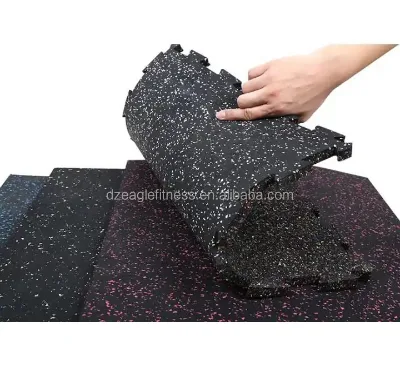
When sourcing interlocked rubber gym mats, the primary objective is to align product specifications with the intended load-bearing and safety requirements of the facility. The market offers a diverse range of configurations, but the core material composition is the most critical determinant of performance. Based on available industry data, the primary materials utilized for these products include EPDM (Ethylene Propylene Diene Monomer) and SBR (Styrene Butadiene Rubber). EPDM is often favored for its superior resistance to UV degradation and color retention, making it ideal for areas with significant light exposure, while SBR is frequently used for its cost-effectiveness and durability in high-traffic industrial and gym environments.
The physical dimensions of the mats vary significantly across suppliers, necessitating a careful review of the product data sheet before ordering. Thickness is a pivotal specification, with observed ranges spanning from 10mm up to 70mm. Specific product models indicate common thicknesses of 15mm, 20mm, and options extending to 50mm. For general gym flooring, a thickness between 15mm and 25mm is often sufficient for shock absorption, whereas heavy-duty areas requiring protection for dropped weights may necessitate the 40mm to 50mm range. The standard interlocking tile sizes typically include 50cm x 50cm and 100cm x 100cm (or 1m x 1m). Some suppliers also offer larger formats such as 485mm x 485mm or 970mm x 970mm, which can reduce the number of seams in large installations. Width specifications for rolled versions of rubber flooring generally fall between 1 meter and 1.25 meters, though the interlocking tile format is the standard for modular gym applications.
| Specification Category | Common Observed Ranges | Application Implication |
|---|---|---|
| Material | EPDM, SBR | EPDM offers better UV/color stability; SBR is cost-effective for indoor use. |
| Thickness | 10mm to 70mm (Common: 15mm-50mm) | Thicker mats (40mm+) provide superior impact protection for heavy lifting. |
| Tile Size | 50x50cm, 100x100cm, 485x485mm | Smaller tiles allow for easier cutting around obstacles; larger tiles speed installation. |
| Standard Sizes | 50cm x 50cm, 1m x 1m | Ensures compatibility with standard interlocking grid systems. |
Buyers must verify if the product is sold as individual tiles or wrapped in rolls, as this affects shipping volume and installation methodology. The standard packing method for these items is typically on pallets, often wrapped in plastic film to prevent dust accumulation and moisture damage during transit.
Compliance, Certification, and Safety Standards
In the B2B procurement of gym flooring, compliance with international safety and environmental standards is non-negotiable. The interlocking rubber mats must meet specific regulatory requirements to ensure the safety of athletes and the longevity of the installation. The most frequently cited certifications for these products include ISO, CE, and RoHS. The ISO certification indicates that the manufacturer adheres to international quality management standards, ensuring consistency in production. The CE marking is essential for products entering the European market, signifying conformity with health, safety, and environmental protection standards. RoHS compliance confirms that the product does not contain restricted hazardous substances, which is critical for indoor air quality and environmental safety.
Beyond general certifications, buyers should verify adherence to specific product standards. Observed data indicates that some products conform to EU standards, while others adhere to standard or customized specifications. It is imperative to confirm that the "EU Standard" referenced aligns with the specific safety regulations of the destination country. Furthermore, the product standard often dictates the interlocking mechanism's precision. A standard of 50cm x 50cm or 1m x 1m implies a modular system that must fit together without gaps. If the supplier claims a "customized" standard, the buyer must ensure that the interlocking tabs and slots are compatible with existing flooring or future expansion plans.
Safety attributes are equally critical. The product features should explicitly include "Anti Slip" and "Flame Retardant" properties. These are not merely marketing terms but functional requirements for gym environments where sweat, dropped weights, and high foot traffic create slip hazards. The "Flame Retardant" attribute ensures that the material meets fire safety codes, which is often a legal requirement for commercial and public facilities. Additionally, the "Eco Friendly" attribute suggests the use of sustainable materials or manufacturing processes, which can be a deciding factor for facilities with green building certification goals. Buyers should request test reports that specifically validate these claims, as the presence of a certification label does not always guarantee the specific performance level required for a high-intensity gym.
Cost Drivers and Procurement Economics
The pricing of interlocked rubber gym mats is influenced by a complex matrix of factors, including material type, thickness, order volume, and customization requirements. The observed price range in the market spans from $0.38 to $25.00 per unit, a variance that reflects the differences in material quality and thickness. The lower end of the price spectrum typically corresponds to thinner SBR mats (10mm-15mm) with standard dimensions, while the higher end reflects thick EPDM mats (40mm-50mm) or those with specialized customizations.
Volume is a primary driver of cost efficiency. The Minimum Order Quantity (MOQ) ranges from 1 to 1000 units, offering flexibility for small-scale projects but potentially limiting bulk discounts for smaller buyers. For large commercial installations, negotiating an MOQ closer to the higher end of the range can significantly reduce the per-unit cost. Buyers should also consider the "OEM Offered" status; custom branding or specific color schemes often incur additional setup fees, which can impact the total landed cost.
Shipping and logistics represent another significant cost component. The observed shipment method is primarily "by Sea," which is cost-effective for large palletized orders but requires careful planning regarding lead times. The production capability of suppliers, noted as 600 square meters per day, suggests that large orders can be fulfilled relatively quickly, but the lead time must be confirmed based on current factory schedules. Packaging costs, such as the use of pallets and plastic film, are usually included but should be verified to ensure they do not inflate the shipping weight unnecessarily.
| Cost Factor | Impact on Price | Buyer Strategy |
|---|---|---|
| Material Type | EPDM > SBR | Select SBR for indoor, low-UV areas; EPDM for longevity and color retention. |
| Thickness | Higher thickness = Higher cost | Match thickness to usage; 15-20mm for cardio, 40mm+ for weightlifting. |
| MOQ | Lower MOQ = Higher unit price | Consolidate orders or negotiate volume tiers to lower unit costs. |
| Customization | Adds setup and production time | Limit custom colors to essential branding areas to control costs. |
Typical Applications and Usage Scenarios
Interlocked rubber gym mats are designed for a wide array of applications, ranging from residential home gyms to large-scale commercial clubs. The product attributes list "School," "Home," "Commercial Club," "Playground," and "Gym" as primary application areas. This versatility highlights the adaptability of the interlocking design, which allows for easy installation and replacement in various environments.
In a Commercial Club or Gym setting, the mats must withstand high-impact activities, including free weights, Olympic lifting, and high-intensity interval training. The "Anti Slip" and "Wear Resistant" attributes are crucial here to prevent accidents and ensure the floor lasts for years despite constant abuse. The "Service Life" of these products is often cited as over 8 years, indicating that they are a long-term investment rather than a consumable item.
For Schools and Playgrounds, the focus shifts slightly towards safety and ease of maintenance. The "Eco Friendly" and "Anti Slip" features are paramount to protect children and students. The interlocking design allows for quick assembly in multi-purpose rooms, and the ability to customize the layout ensures that the flooring can accommodate various sports and activities. In Home gyms, the ease of installation and the ability to cover uneven subfloors make these mats a popular choice for DIY enthusiasts.
The "All Sports" attribute suggests that the flooring is suitable for a broad range of athletic activities, from yoga and Pilates to CrossFit and basketball. However, buyers should verify if the specific thickness and material are suitable for the intended sport. For example, a 10mm mat may be sufficient for yoga but inadequate for dropping heavy dumbbells. The "Usage" category also includes "Industrial Rubber Slab" and "Flooring," indicating that these mats can serve dual purposes in manufacturing or warehouse environments where noise reduction and floor protection are required.
Supplier Evaluation and Service Capabilities
Selecting the right supplier is as important as selecting the right product. Buyers should evaluate suppliers based on their technical capabilities, service offerings, and production capacity. The observed data indicates a production capability of 600 square meters per day, which is a strong indicator of a manufacturer's ability to handle large orders without significant delays. However, buyers must confirm if this capacity is consistent and if the supplier has the infrastructure to handle custom orders.
Service capabilities are a key differentiator in the B2B market. The availability of "Online Technical Support" and "Onsite Installation" services adds significant value, particularly for large commercial projects where professional installation is required. The "Service" attribute also notes that products "Can Be Customized," which is essential for buyers needing specific colors, logos, or dimensions. The "OEM Offered" status further confirms the supplier's willingness to work with the buyer's branding requirements.
When evaluating a supplier, buyers should also consider the "After-Sale Service" provisions. A supplier that offers robust support, including troubleshooting and replacement of defective units, reduces the risk associated with the procurement. The "Sample" attribute, which is often "Free," allows buyers to physically inspect the product quality, texture, and interlocking mechanism before committing to a large order. This step is critical for verifying that the "Anti Slip" and "Flame Retardant" claims hold up in real-world conditions.
| Evaluation Criteria | Key Questions to Ask |
|---|---|
| Production Capacity | Can you meet the required timeline for a 600sqm/day order? |
| Customization | What are the lead times and costs for custom colors or logos? |
| Support | Do you provide onsite installation or detailed technical guides? |
| Quality Assurance | Can you provide recent test reports for flame retardancy and slip resistance? |
Quality Control and Long-Term Procurement Considerations
Ensuring the long-term success of a gym flooring project requires a rigorous approach to quality control. Buyers must verify that the "Service Life" of over 8 years is backed by material durability and construction quality. The "Wear Resistant" attribute should be validated through third-party testing, as the visual appearance of the rubber can be misleading. The "Anti Slip" performance must be tested under wet conditions, as sweat and moisture are common in gym environments.
Long-term procurement considerations also involve the maintenance and replacement of the flooring. The interlocking design allows for individual tiles to be replaced if damaged, which extends the life of the overall installation. Buyers should inquire about the availability of spare parts and the ease of sourcing replacements in the future. The "Standard or Customized" nature of the product standard means that future expansion should be planned with compatible dimensions in mind.
Finally, buyers should consider the environmental impact of the product. The "Eco Friendly" attribute suggests that the materials may be recyclable or manufactured with reduced environmental impact. This is increasingly important for commercial clients with sustainability goals. The "RoHS" certification ensures that the product does not release harmful chemicals, contributing to a healthier indoor environment. By focusing on these quality and sustainability factors, buyers can ensure that their investment in interlocked rubber gym mats provides lasting value and safety for years to come.
FAQs
What certifications do interlocked rubber gym mats typically have?
These mats commonly carry ISO, CE, and RoHS certifications to ensure safety and quality. Buyers should verify that the specific product meets the required standards for their region, as some items may only list CE or ISO depending on the manufacturer.
Which thickness options are available for gym rubber flooring?
Thickness ranges from 10mm to 70mm, with common options including 15mm, 20mm, and up to 50mm. Thicker mats between 40mm and 50mm are recommended for heavy weightlifting areas to provide superior shock absorption and floor protection.
Can I get custom sizes for interlocked rubber gym mats?
Yes, customization is available for dimensions, colors, and branding to meet specific project needs. Buyers should confirm the interlocking mechanism compatibility when ordering custom sizes to ensure a seamless fit with existing flooring systems.
How are interlocked rubber gym mats packaged for shipping?
Products are typically packed on pallets and wrapped in plastic film or rolls to prevent damage. This packaging method protects the mats from dust and moisture during transit, ensuring they arrive in pristine condition for installation.
What is the expected service life of these rubber mats?
The service life is generally over 8 years for high-quality rubber flooring. This longevity depends on usage intensity and maintenance, with wear-resistant and anti-slip features helping to extend the product's durability in high-traffic environments.
Which materials are used to make interlocked rubber gym mats?
The primary materials used are EPDM and SBR rubber, each offering distinct performance benefits. EPDM provides better UV resistance and color retention, while SBR is often chosen for its cost-effectiveness and durability in indoor gym settings.